
News and Stories
Nutrition
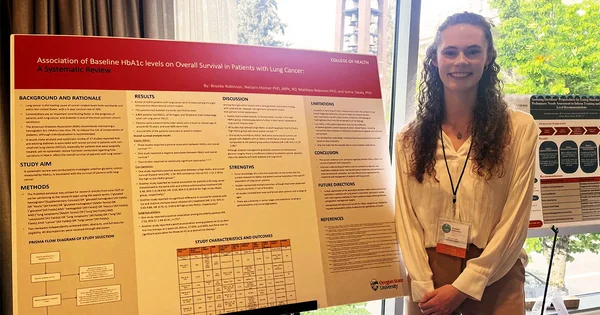
Brooke Robinson gained hands-on experience across food service, clinical and community settings during her dietetic internship rotations. She recently accepted a dietitian role with Aramark in corporate dining and wellness.
Former COH Dean Tammy Bray and OSU Distinguished Professor Emily Ho have been selected for top honors by the American Society for Nutrition, to be recognized at NUTRITION 2026 in July.
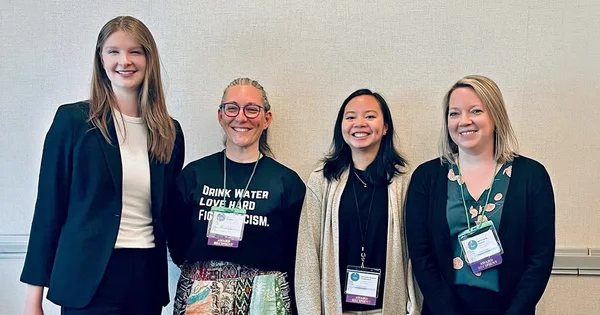
OSU nutrition faculty, students and alumni swept four awards at the 2026 Oregon Academy of Nutrition and Dietetics Annual Conference, led by Outstanding Dietitian of the Year Michelle Bump.
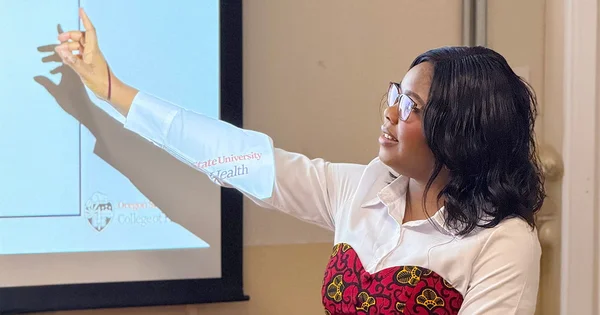
PhD candidate Feyisayo Olufemi earned second place and the people’s choice award at OSU’s 2026 Three Minute Thesis competition.
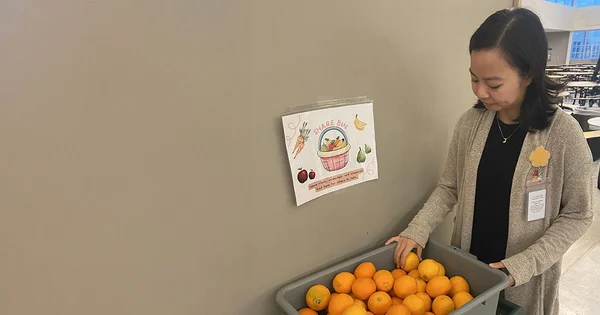
MS-PD student Jennah Laxamana completed an internship with Tigard Tualatin School District, where she helped ensure USDA-compliant school meals and gained hands-on experience in school nutrition services.
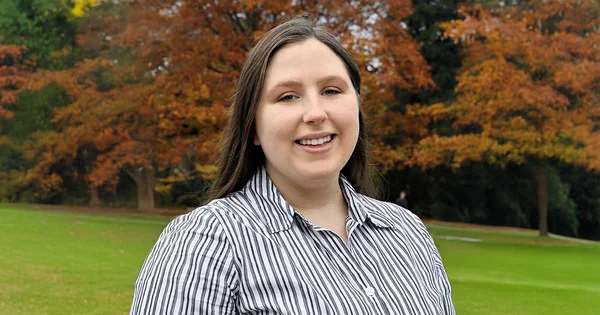
Ashley McKelvey switched from nursing to nutrition research at OSU. Learn how her work on preterm infant digestion and human milk peptides impacts infant health.
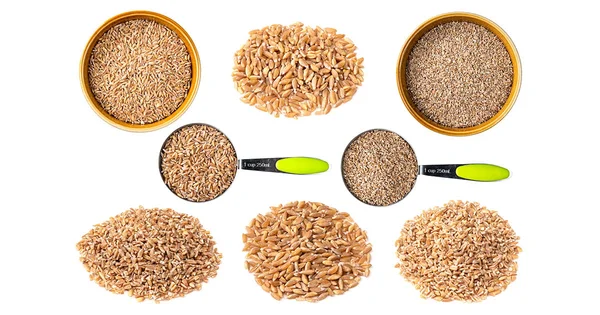
Anna Hayes combines carbohydrate chemistry and neuroscience to understand the gut-brain axis. Her research on ancient grains and dietary fiber reveals surprising connections between what we eat and how we think.
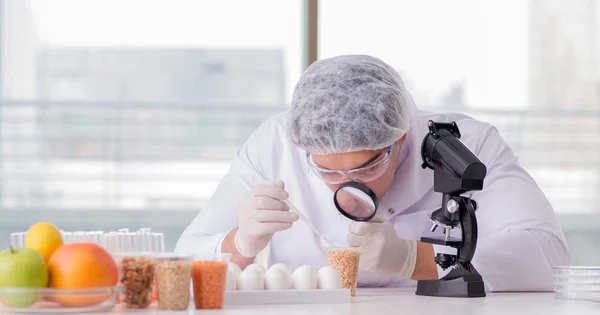
Moore Family Center launches Nutrition Career Mentorship Program for 2025-26, pairing students with nutrition professionals. Apply as mentor or mentee today.
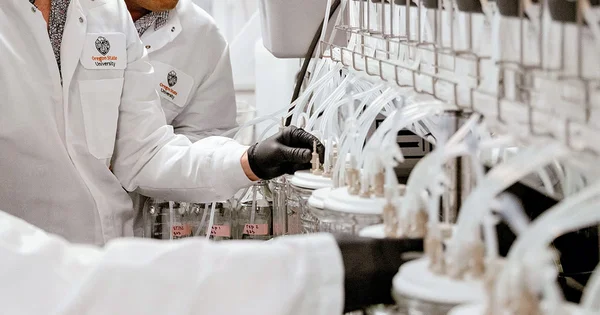
See how nutrition researchers use the Simulator of the Human Intestinal Microbial Ecosystem (SHIME) to understand how dietary fibers promote healthy gut bacteria and improve infant nutrition.
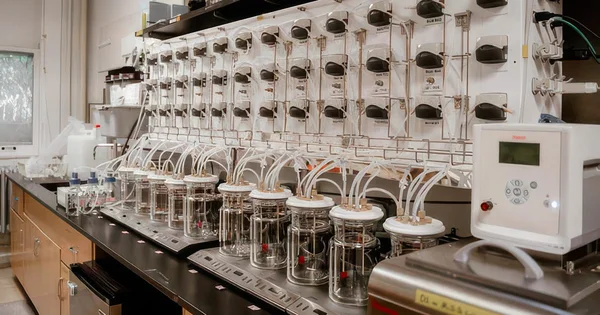
The SHIME simulates human digestion in the lab, helping researchers study how foods break down, release nutrients, and affect gut bacteria. Learn how this remarkable technology is advancing nutrition science.
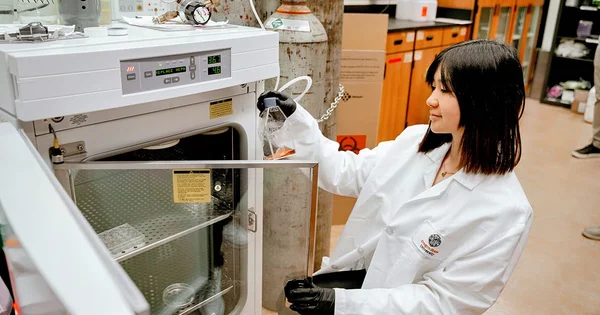
Nutrition doctoral student Brianne Wai's work focuses on identifying the retention and release of these components in the gastrointestinal tracts of term and preterm infants fed with either their parents' own milk or donor milk.

The Gather, Preserve, Store, Share program brings culturally responsive food preservation education to Native communities across Oregon, combining traditional methods like sun drying with modern safety practices.