

Image

Advancing science, making discoveries and engaging communities to promote lifelong health and well-being
Through our research, we contribute to a holistic understanding of the health of individuals and populations, foster innovation and create feasible approaches to address complex health challenges.
Outstanding research faculty and students work collaboratively to study individuals across the life course, examine the impact of social determinants on health, address health equity and disparities, conduct basic and applied research, and translate public health programs to real world settings.
We offer seminars and colloquia to share new research and ignite collaborations, and support four college research centers to foster transdisciplinary research, engage students and translate research to practice.


Perry Hystad, PhD
Associate Dean for Research
Contact info and profile page
In the new strategic plan for 2025 -2030, Health and Well-Being for All, faculty in the College of Health (COH) established three Signature Research Areas. These areas leverage faculty expertise; align with the university’s strategic plan, Prosperity Widely Shared; and build opportunities for distinction.

Our researchers address environmental health disparities, climate change impacts, and pollution effects on communities, with a focus on developing evidence-informed solutions.

Our researchers are addressing major health challenges through prevention strategies, policy development, and interventions that improve quality of life across diverse populations.

Our researchers study how social policies, families, and communities impact child development and youth health outcomes, with focus on equity, disability access, and risk prevention.

Think your social media connections are keeping loneliness at bay? A first-of-its-kind OSU College of Health study says they're more likely doing the opposite.

Brian Primack served as senior author on a study documenting vaping devices shaped like sippy cups being marketed to young children on Instagram, published in the American Journal of Preventive Medicine.
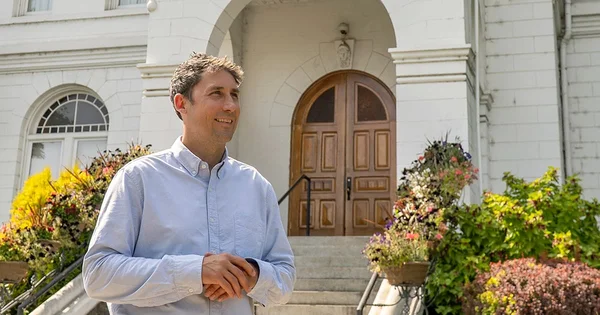
David Rothwell has received a competitive Russell Sage Foundation grant to study how paid family leave policies affect mothers' employment and use of public assistance in Oregon.

Megan McClelland and colleagues published two new studies on early childhood self-regulation and executive function, including research spanning Poland, Iran and the United States.
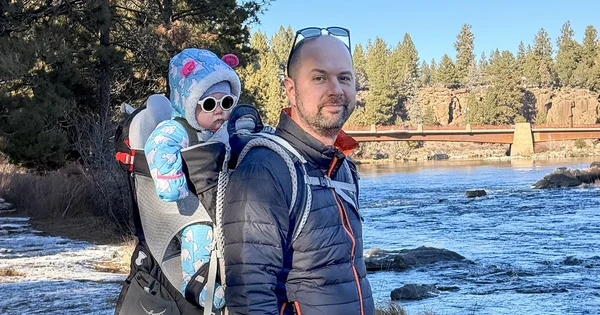
Environmental epidemiologist Matthew Bozigar discusses the impact of geography on health outcomes, the risks of chronic noise exposure, and his research at Oregon State University.

OSU's Center for Healthy Aging Research connects 40+ faculty across eight colleges to advance interdisciplinary science — from lab bench to clinical practice — helping people age healthier at every stage of life.