

Image

Dig into the science behind food and its impact on health
If you want to understand the role food plays in health — how micro and macronutrients affect metabolism, health and performance — then a career in nutrition will feed your hunger for knowledge.
The Oregon State University nutrition program prepares you to help others thrive.
According to the U.S. Department of Labor, there were 81,00 people working as dietitians and nutritionists in 2024, and jobs are projected to grow at a rate of 7 percent between 2022–2033. As of May 2024, Oregon is the second highest paying state for dietitians and nutritionists, with an annual mean wage of $87,000.
Oregon State University offers the only Didactic Program in Dietetics in Oregon.
According to a February 2025 report by the Federal Reserve Bank of New York, recent graduates with degrees in nutrition sciences had the lowest unemployment rate among all college majors at just 0.4%.
This is significantly lower than the overall unemployment rate of 5.8% for recent graduates aged 22 to 27.
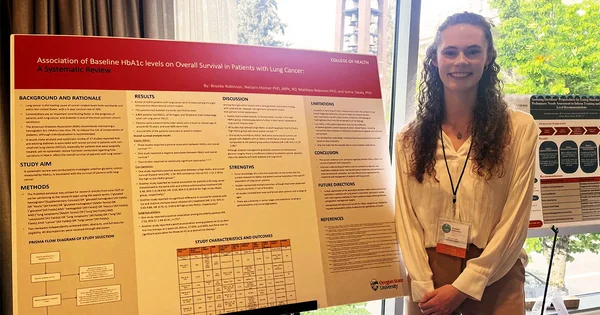
Brooke Robinson gained hands-on experience across food service, clinical and community settings during her dietetic internship rotations. She recently accepted a dietitian role with Aramark in corporate dining and wellness.
Former COH Dean Tammy Bray and OSU Distinguished Professor Emily Ho have been selected for top honors by the American Society for Nutrition, to be recognized at NUTRITION 2026 in July.
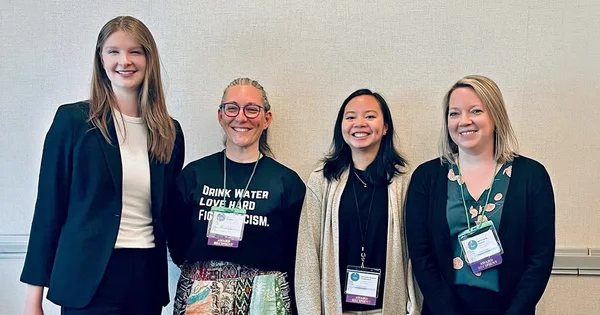
OSU nutrition faculty, students and alumni swept four awards at the 2026 Oregon Academy of Nutrition and Dietetics Annual Conference, led by Outstanding Dietitian of the Year Michelle Bump.
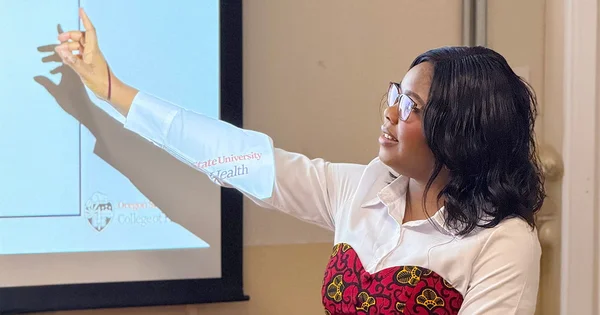
PhD candidate Feyisayo Olufemi earned second place and the people’s choice award at OSU’s 2026 Three Minute Thesis competition.
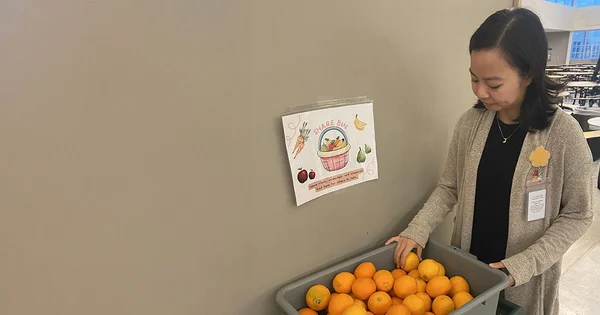
MS-PD student Jennah Laxamana completed an internship with Tigard Tualatin School District, where she helped ensure USDA-compliant school meals and gained hands-on experience in school nutrition services.
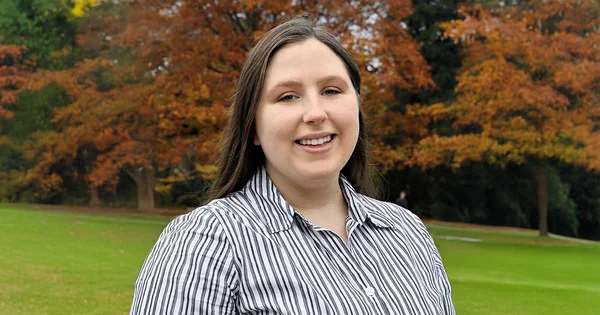
Ashley McKelvey switched from nursing to nutrition research at OSU. Learn how her work on preterm infant digestion and human milk peptides impacts infant health.