

Cutting-edge nutrition research from cells to community
Nutrition research is an integrative field that spans molecular biology, biochemistry, physiology, clinical nutrition, public health and community nutrition – from cells to community.
Faculty expertise in human health and chronic disease
Our faculty conduct research across areas relevant to human health and the prevention of chronic disease, including metabolic bone disease, cancer, obesity and diabetes. Using model organisms and advanced technologies such as nutrigenomics, metabolomics and lipidomics, students and faculty study the impact of nutrients and other dietary factors on human health.
Community-based and applied nutrition research
Faculty also lead applied, multidisciplinary research in community settings that integrates nutrition, dietetics and physical activity. This research involves immersive learning environments such as mobile technology to track food choices and intake, as well as interventions via the virtual world to promote positive behavior change among youth and to prevent obesity and chronic disease.
Strong research support and world-class research centers
Nutrition graduate research is supported by grants from the National Institutes of Health, U.S. Department of Agriculture, NASA, Department of Defense and other federal and state agencies and private partners. Several faculty are affiliated with the college’s research centers – Hallie E. Ford Center for Healthy Children and Families, Moore Family Center for Whole Grain Foods, Nutrition and Preventive Health, the Center for Healthy Aging Research and OSU’s Linus Pauling Institute.
Graduate degrees in nutrition
The Nutrition Graduate Program, housed in the School of Nutrition and Public Health, offers Master of Science (MS) and Doctor of Philosophy (PhD) degrees. You’ll have the opportunity to pursue cutting-edge nutrition research focused on improving human health and to prepare for careers in academia, government or industry.
Graduate funding and financial support
Graduate students are supported through graduate teaching assistantships, graduate research assistantships and training grants. These opportunities include a monthly stipend, tuition remission and health insurance. Additional details are available through the Oregon State Office of Graduate Education's financing your education resources.
Nutrition graduate programs

MS-PD
The accredited Masters of Science in Nutrition - Professional Dietetics (MS-PD) program is a combined 22-month, online curriculum, graduate degree with Oregon based dietetic internship rotation sites.

MS in Nutrition – Advanced Dietetics
Earn your MS in Nutrition – Advanced Dietetics online. Build advanced practice skills as an RDN or prepare for a stand-alone dietetic internship on your path to becoming a dietitian.
MS in Nutrition Research
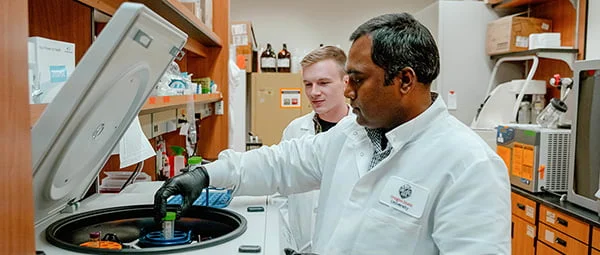
The Master of Science in Nutrition Research at Oregon State will prepare you, through coursework and research, to address key challenges to human health.
MS in Nutrition Science
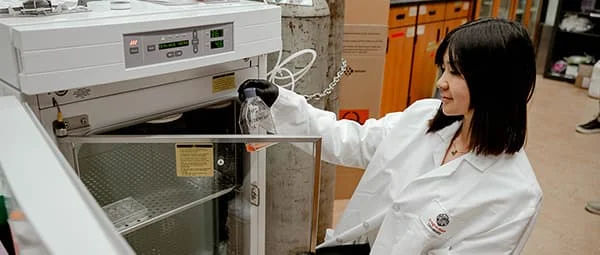
Oregon State’s MS in Nutrition Science prepares you for a career in health care, research, government or the food industry.

PhD in Nutrition
The PhD in Nutrition program is designed to prepare you for a professional career in nutrition through a combination of coursework and research.
Graduate handbooks
- Nutrition MS-PD Option Graduate Program Handbook 2025-2026 (pdf)
- Nutrition MS & PhD Graduate Program Handbook 2025-2026 (pdf)
Resources
- Current College of Health graduate student resources
- Oregon State University Office of Graduate Education
Contact
See Nutrition Graduate Program contact information for MS, MS-PD and PhD programs.