

Health Beat
November 2025
College of Health newsletter
All the news that's fit to print
We encourage you to scroll through the whole page, but if you want to skip ahead to a particular section, select from the following.
Visibility
News and stories
These stories are predominately made up from the college's alumni magazine, press releases from OSU News and Research Communications, and media mentions.
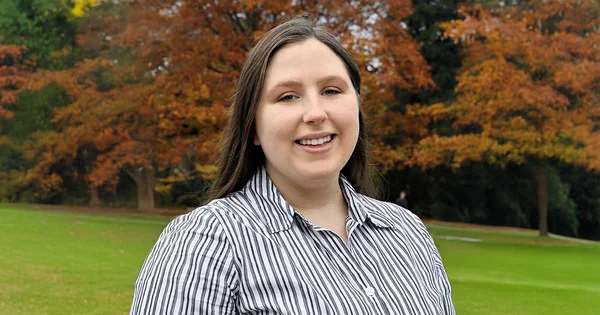
Former nursing student turns to nutrition to impact infant health
Ashley McKelvey switched from nursing to nutrition research at OSU. Learn how her work on preterm infant digestion and human milk peptides impacts infant health.
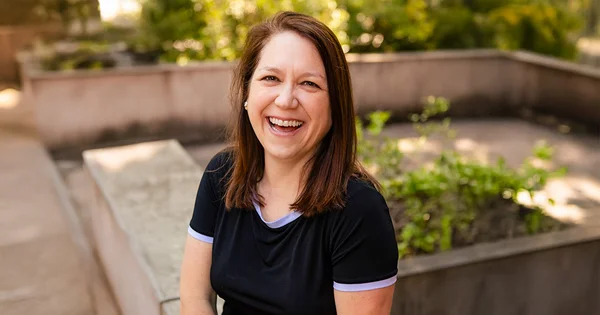
10 Questions With… Veronica Irvin, endowed professor with the College of Health
Associate Professor Veronica Irvin discusses her behavioral science research at Oregon State University, including breast cancer screening, environmental health, well water safety, and supporting underserved communities.
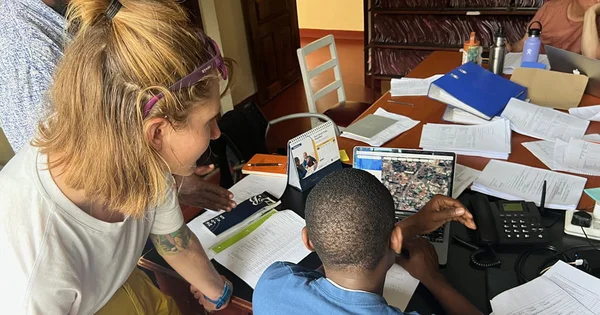
From baker to environmental health researcher
Public Health PhD student Madalyn Nones researches climate disaster resilience, focusing on drought impacts. Learn how she's helping communities adapt worldwide.
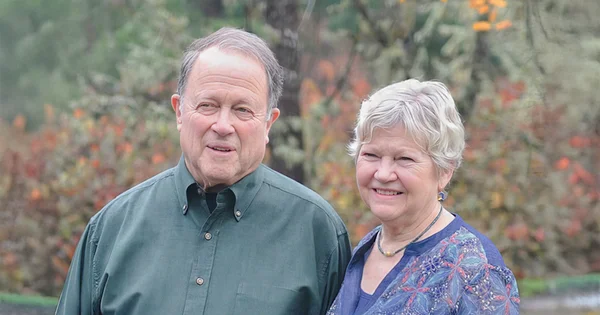
Passion for OSU and global health expands student opportunities and improves health
Bob '65 and Sara Rothschild have expanded their commitment to global health by funding OSU's Botswana Global Health Initiative, which supports student internships, faculty research, and community partnerships across multiple continents.
Students
Internship spotlights
See how COH students are applying classroom knowledge, building professional networks, and testing out fulfilling careers in health and well-being.
Meet all the internship spotlight students.

Public health, BS
Deschutes County Health Services, Environmental Health
Public health student Andrew Eaton supported Deschutes County Health Services by developing foodborne illness investigation materials and shadowing health specialists in the field.
Public health, MPH
Benton County Health Department
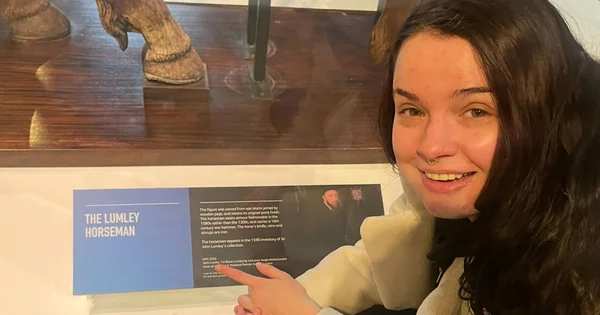
MPH student Lizzie Lumley explored food insecurity in Benton County through a hands-on internship focused on community partnerships and policy-informed public health work.
Good News!
Good News
Our faculty, staff and students do amazing things!
They receive national, university and college honors; publish books and articles; serve on editorial boards and much more.
Did you or someone you know do something we should share? Let us know by submitting some Good News.
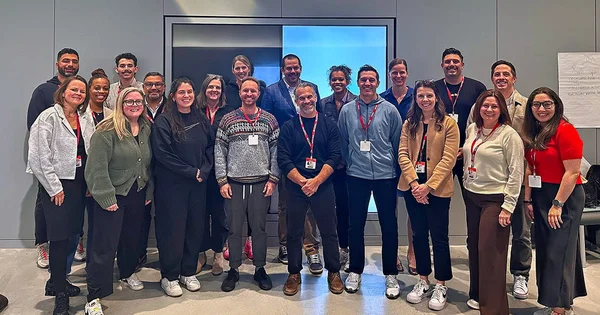
College of Health team partners with national leaders to advance youth sport mental health
Will Massey and graduate students co-led a national panel on youth sport mental health guidelines at a Nike-hosted convening in NYC.
OSU 2Play Lab recognized for youth well-being partnership
The OSU 2Play Lab and Associate Professor Will Massey were recognized for their impact on youth well-being in the 2025 federal review of Jackson Street Youth Services.
Ecampus courses recognized for AI teaching best practices
Karen Elliott and Colin Mulligan's Ecampus courses were spotlighted for modeling best practices in AI use for teaching and learning.

College collects food, raises money for Basic Needs Center
College of Health donates $1,541.90 and 67 food items to support the OSU Basic Needs Center through the Great Give Off.
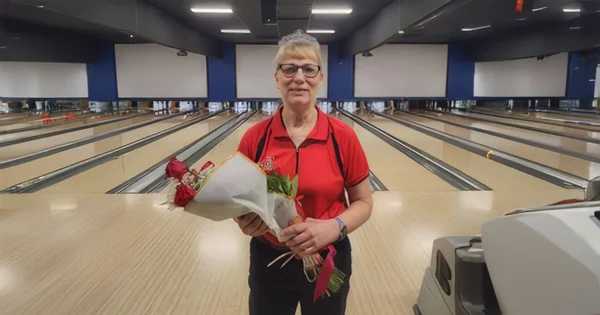
PAC bowling instructor earns sixth state title and national tournament berth
Penny Fentiman wins her sixth Oregon USBC Queens Tournament title and earns a spot at the national tournament in Las Vegas.
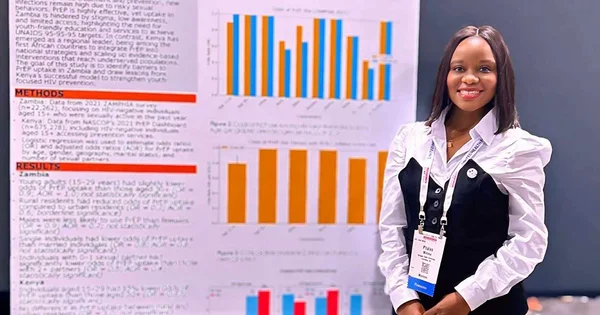
Doctoral student presents HIV prevention research at APHA 2025
Doctoral student Phales Milimo presented her HIV prevention research and moderated a maternal health equity session at the 2025 APHA Annual Meeting.

Aurae Beidler earns prestigious FACHE credential
Aurae Beidler earns FACHE credential, marking a significant achievement in healthcare leadership.
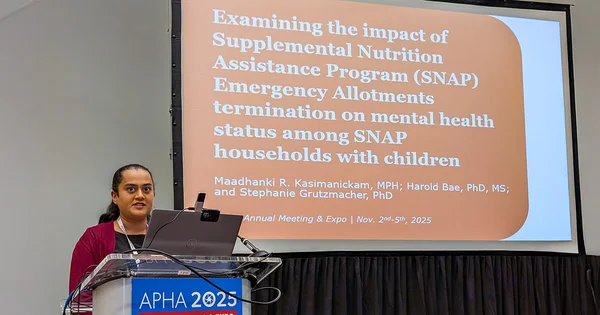
PhD student earns top abstract and fellowship at APHA 2025
Maddie Kasimanickam, a public health-global health PhD student, earned two honors at APHA: selection as a 2026 Food & Nutrition Fellow and recognition for a top-scoring research abstract.
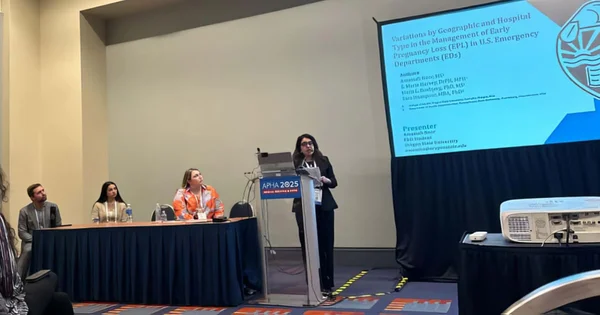
Doctoral student presented reproductive health research at APHA 2025
PhD student Amamah Noor presented two collaborative studies on early pregnancy loss at the 2025 APHA Annual Meeting, highlighting disparities in care across hospital systems.
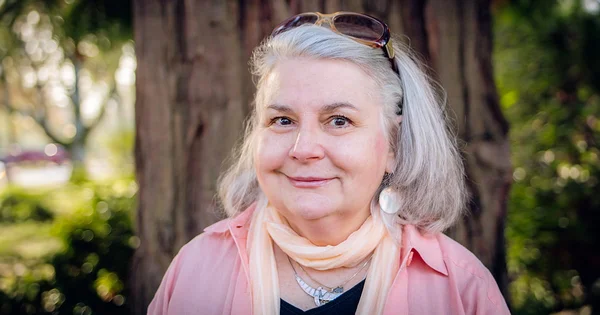
Carolyn Aldwin receives Distinguished Lifetime Career Award in human development
Professor Emerita Carolyn Aldwin received the Distinguished Lifetime Career Award from the Society for the Study of Human Development, recognizing her decades of influential research on stress, coping, aging and health.
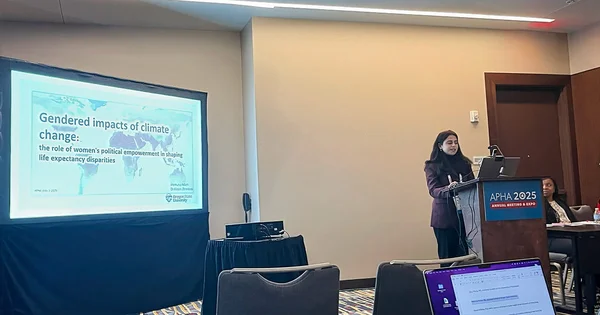
Doctoral student presents climate and gender equity research at APHA 2025
Doctoral student Memuna Aslam presented research on climate-driven health disparities and women’s political empowerment at the 2025 APHA Annual Meeting.

Public health doctoral student publishes research on cervical cancer screening in Nigeria
As part of her work, Bilkisu Abubakar led outreach clinics for female sex workers in Nigeria and implemented liquid-based cytology and HPV DNA testing — two innovative approaches to improve cervical cancer screening and early detection in vulnerable populations.
Research
Publications
Check out the recent publications from researchers across the college over the past month. See if you can guess the researcher(s) based solely on publication titles:
How can we create better survey questions about gender that make people feel safe, respected, and accurately represented?
Do different groups of young people participate in civic activities (like volunteering, political action, or self-expression) in different ways, and does this participation actually help them find more meaning in their lives?
What beliefs, attitudes and behaviors were associated with higher condom use among Black, Hispanic, and White heterosexual adults in San Francisco who had HIV risk factors.
This study used interviews with mental health providers in India to examine factors affecting youth access to care. Structural stigma emerged as a major barrier, with adolescents facing multiple layers of stigma. Providers reported a preference for therapy over medication and emphasized the need for stronger policy and school-based support.
Can we use extreme pressure instead of high heat to make milk safe to drink without destroying its healthy nutrients?
This scoping review examines the relationship between breastfeeding history and maternal body composition indicators, highlighting inconsistencies in existing research. It found that most studies reported null associations between breastfeeding and body composition, with some indicating inverse relationships with fat and adiposity measures assessed at least six months postpartum. The review suggests that future research should focus on body composition evaluations beyond six months postpartum and include muscle composition measures.
If you drink alcohol regularly, does it actually damage or change the physical structure of your bones?
Does the amount of greenspace (trees and grass) you have in your neighborhood depend on a combination of your race, education level, and neighborhood income - rather than just one of these factors alone?
Are the flame retardant chemicals found in household dust linked to behavioral and emotional problems in young children?
Do parents take more action to protect their kids from wildfire smoke based on what they actually see and smell, or based on what air quality monitors and the Air Quality Index tell them?
How much childhood asthma around the world is caused by breathing nitrogen dioxide (NO2) pollution, and where is this problem the worst?
Can a simple 5-10 minute test of self-control predict whether a child will be performing at grade level in kindergarten, and what score signals they might need extra help?
When a breastfeeding mother eats dairy or drinks soy milk, do proteins from those foods show up in her breast milk? And if she stops eating them, how long does it take for those proteins to disappear?
How can we upgrade manufacturing to prioritize people and the planet—rather than just focusing on efficient robots and technology—at every level of the business?
Events
Mark your calendars!
Dec. 11 Go nuts for your health
Join faculty and student experts from Oregon State’s Linus Pauling Institute and College of Health for an online discussion on how nutrient-dense nuts such as hazelnuts, almonds and walnuts can improve heart, brain and gut health.
The panel will present the latest research and answer audience questions from 11 a.m. Thursday, Dec. 11, via Zoom. The event is free and open to the public. Learn more and register.
Bonus!
ASPIRE Children's Environmental Health Center
October is Environmental Education Month!
November 2025
- America Recycles Day
-
Cook to Impress with Less (Waste)
-
Energy-Smart Tips for Fall and Winter
-
Thankful for Nature's Little Treasures
-
ASPIRE Center Leadership News
-
What we are looking forward to!
Oregon Parenting Education Collaborative (OPEC)
OPEC publishes useful information for families, caregivers, and professionals who support children and families.
- Parenting Educator Post for November
- Learn About and Celebrate Native American Heritage Month
- Conozca y celebre el Mes de la Herencia de los Nativos Americanos
- A Message of Care and Support for Parenting Educators and Families in Response to Immigration-Related Concerns
- Un mensaje de apoyo y solidaridad para los educadores de padres y las familias en torno a las preocupaciones relacionadas con la inmigración