

From baker to environmental health researcher
Public health student impacts community resilience to climate disasters
The path might not have been straight, but Madalyn Nones found her destination through empathy, persistence and a healthy dose of curiosity.
From Minneapolis, Minn., Madalyn planned to become a registered dietitian and earn a PhD after receiving her bachelor’s degree in 2016. After four years as a cook and baker, her experience working with diverse groups of people led her to public health.
“I always worked with people from marginalized groups, who were ambitious but constantly faced challenging structural barriers,” she says. “Although I truly loved baking, I still felt compelled by academic research and knew that my potential skills could be used to help others without my expertise.”
Madalyn is working toward her PhD in public health and planning to pursue a research career in academia investigating what she calls an understudied natural disaster – drought and its global health impacts.
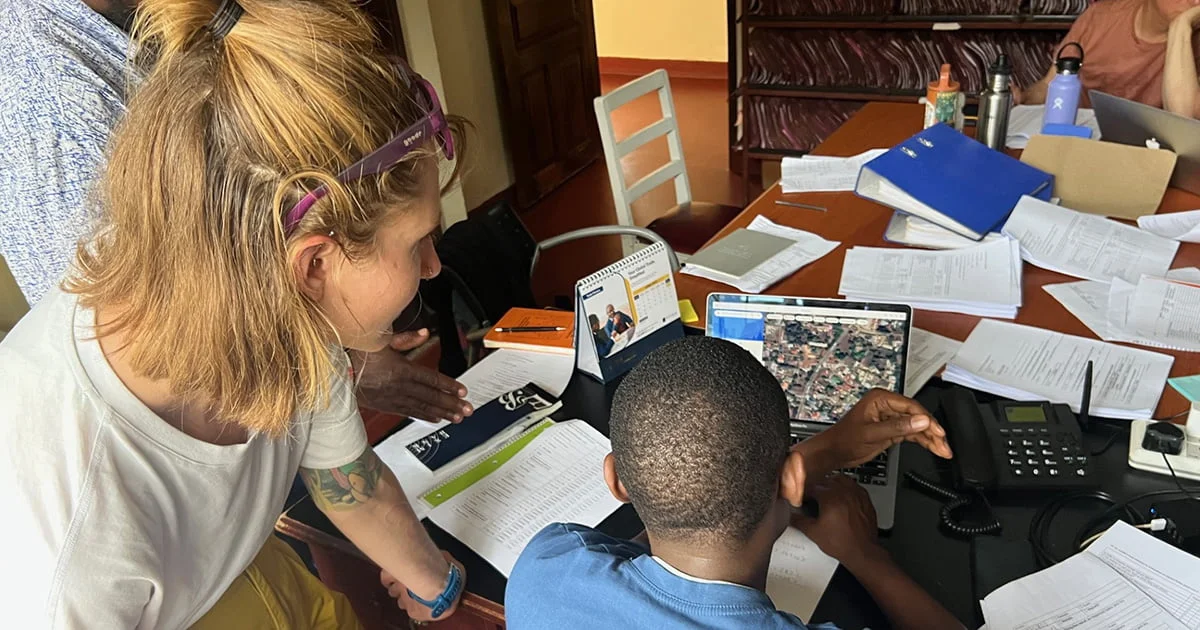
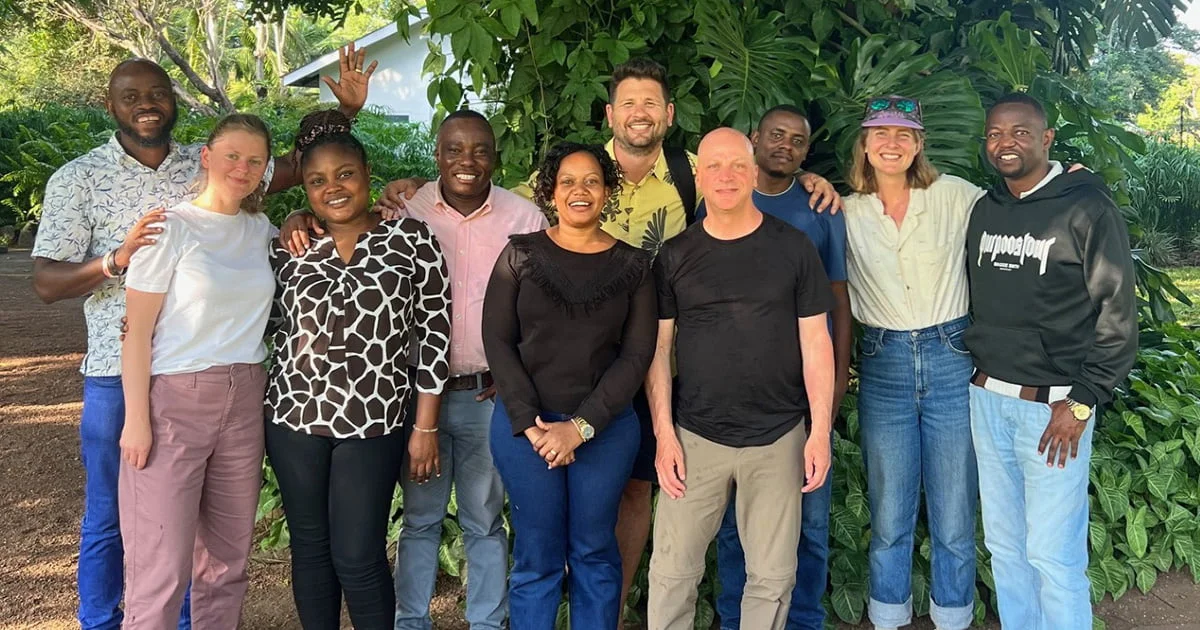
Madalyn recently received the Evans Family Fellowship through OSU’s Humanitarian Engineering program and will be traveling to Tanzania and Colombia to pilot test a survey of communities’ perceptions of their environment and ability to prepare for and manage natural disasters.
In the following, Madalyn talks about her journey to Oregon State, her research and her plans for the future.
Why did you come to Oregon State and when?
This is my first degree at Oregon State, and I was completely unfamiliar with the school prior to touring campus. I started my program in 2023.
Prior to that, I was living in Atlanta completing an educational fellowship with the CDC. I was hoping the fellowship would give me experience and guidance for a PhD program.
A friend of mine in Atlanta had recently graduated from OSU with Dr. Perry Hystad as his mentor. He encouraged me to reach out to Perry because we had similar research interests, and I knew that research alignment was the most important factor in considering where to start a PhD program.
How did you get involved in this particular research? Have you always been interested in this topic and/or research itself?
I have always been a curious person fascinated by many ideas, and I’ve mostly been intrigued by upstream environmental factors in which the most impact stems from system-level changes and not necessarily changes to human behavior.
I knew I wanted to study the intersection of humans with their environment, but I had a difficult time limiting my research scope.
Tell me about your research.
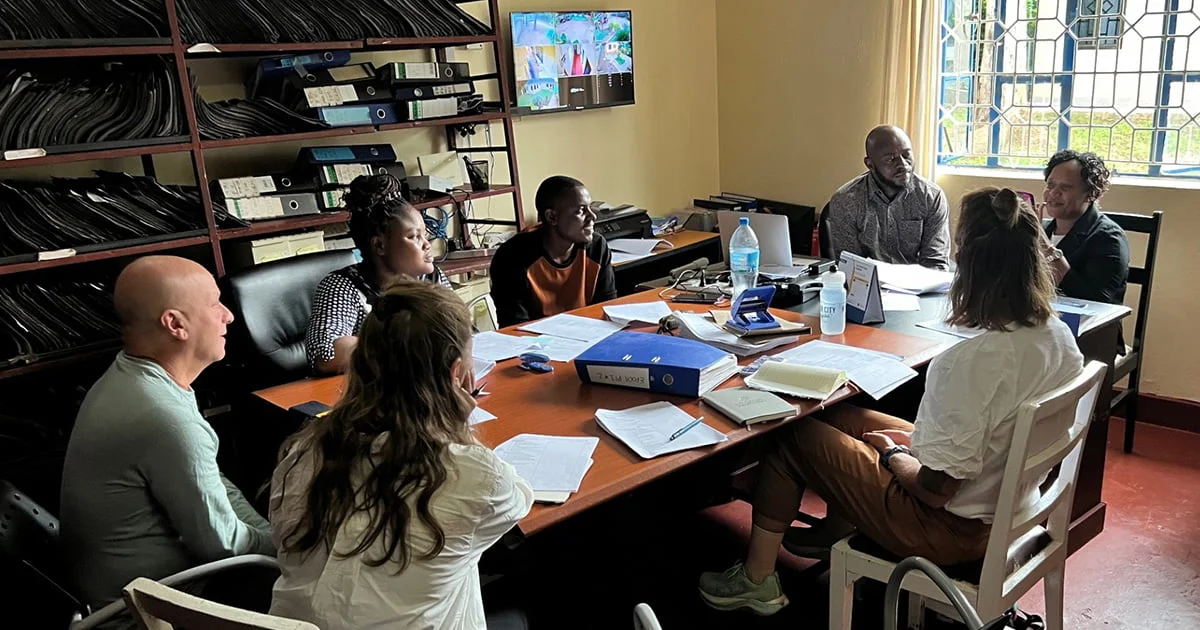
I have finally narrowed my focus to three distinct projects that excite me and feel personally meaningful.
From a broader perspective, my research focuses on climate-related natural disasters and how community-level adaptive capacity can potentially mitigate disaster-related health impacts.
More specifically, I am focusing on extreme temperatures and drought.
What do you find interesting/rewarding about your research?
I find it particularly rewarding to examine upstream drivers of health outcomes.
While it is especially challenging to define the causal pathways between environmental exposures and health, it is equally exciting to read and apply novel methods that are helping to connect distal exposures to current and future health trends.
It also feels very hopeful to connect these dots, particularly within a time when the merit of climate health is continuously opposed.
What have you learned about yourself through research?
The most important thing I have learned about myself, as a researcher, is that a personal connection to a project provides the greatest motivation for completing sometimes-mundane research tasks.
I have also learned that my curiosity is my best friend, but that a group of supportive individuals is also necessary for culling my ideas and keeping me focused on the most important tasks.
Lastly, I have been learning to give myself grace. Navigating independent research sometimes feels like a series of steps in which you never get any step completely correct. I try to remind myself that it’s in this uncomfortable space that I will learn and grow the most.
How does your research impact people’s health and well-being?
Although the public health field has a general understanding of the acute impacts of climate-related disasters, there is still so much to learn about the long-term impacts of climate change.
This issue feels especially pressing now, as weather becomes increasingly volatile. Globally, we have moved into a space where simply recovering from a natural disaster is no longer enough.
Communities need to understand how to fully prepare for and adapt to changing environmental conditions, and I’m hoping my research adds evidence to this growing field of human vulnerability and climate adaptation.
What can you tell me about your Humanitarian Engineering Award and pilot work in Tanzania and Colombia?
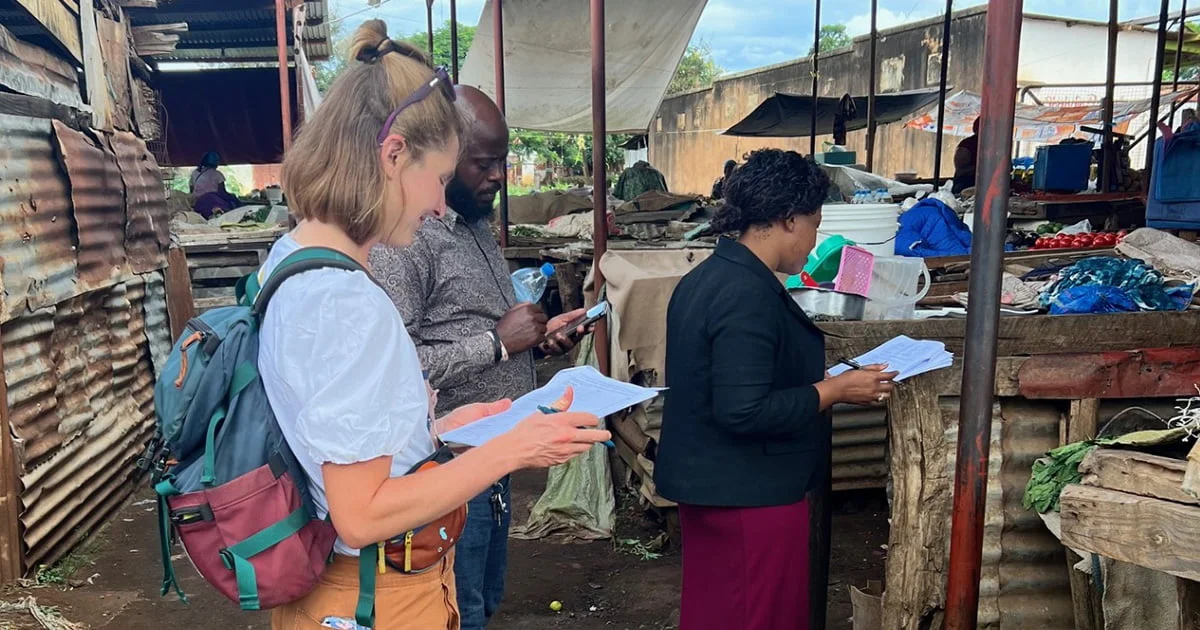
This spring, I received the Evans Family Fellowship, which provided travel funds that allow me to travel to two cities (Moshi, Tanzania; and Colombia) to pilot test a survey within communities previously established as sites in an ongoing, longitudinal study.
The surveys are follow-up surveys that gather information on the built environment and participants’ perceptions of the physical conditions in their community.
This most recent survey has been edited to include questions on which natural disasters participants feel are the most threatening within their community and to what extent their community is prepared to handle and adapt to such disasters.
Related stories
OSU environmental health professor Molly Kile has been appointed to Oregon's new Environmental Restoration Council, helping direct a $698 million Monsanto PCB settlement toward healthier land, water and communities.
Environmental epidemiologist Matthew Bozigar discusses the impact of geography on health outcomes, the risks of chronic noise exposure, and his research at Oregon State University.
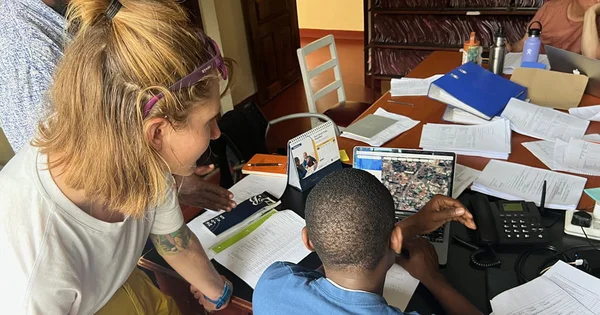
Public Health PhD student Madalyn Nones researches climate disaster resilience, focusing on drought impacts. Learn how she's helping communities adapt worldwide.