

Research Signature Areas
Health and Well-being of Children and Youth
Our researchers are dedicated to advancing the health and well-being of all children and youth, which lays the foundation for health and well-being over many decades of adult life.
College of Health faculty focus on the critical roles that social policies, families, educational settings, and communities play in promoting positive early child and youth development.
Child-focused researchers study self-regulation, early education and readiness for school, parenting styles and behaviors, housing, and poverty.
Faculty also have expertise in improving quality of life through physical activity and motor skill development and providing those with developmental and acquired disabilities equitable access to play and mobility, including toy- and game-based technologies.
Because youth is a critical period connecting childhood and adulthood, faculty focus on healthy and risky behaviors of teens and young adults.
For example, some study behaviors such as safer sexual activity (e.g., preventing sexually transmitted infections and unintended pregnancies, promoting sexual health for LGBTQ+ individuals, treating hepatitis C) and substance use (e.g., vaping and smoking, marijuana, misuse of prescription stimulants or opioids).
Others focus on leadership development, social belonging/isolation, and healthy relationships with peers and partners.
News and stories
Recent health and well-being of children and youth news and stories.

Doctoral student Phales Milimo presented her HIV prevention research and moderated a maternal health equity session at the 2025 APHA Annual Meeting.
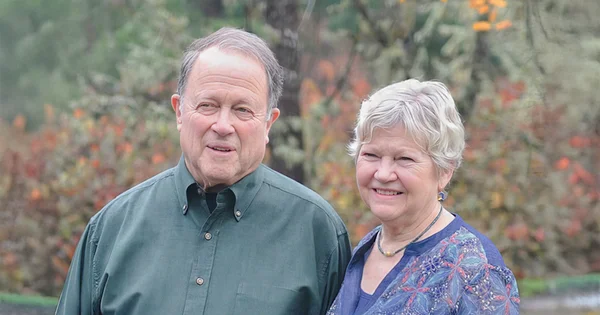
Bob '65 and Sara Rothschild have expanded their commitment to global health by funding OSU's Botswana Global Health Initiative, which supports student internships, faculty research, and community partnerships across multiple continents.
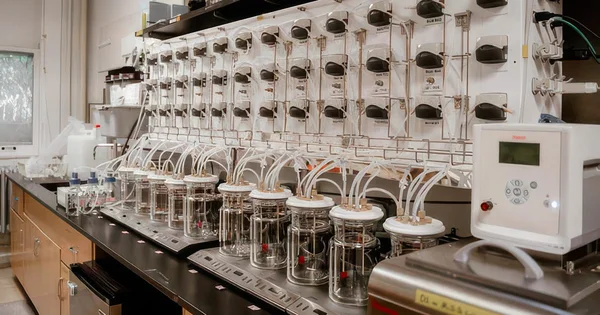
The SHIME simulates human digestion in the lab, helping researchers study how foods break down, release nutrients, and affect gut bacteria. Learn how this remarkable technology is advancing nutrition science.
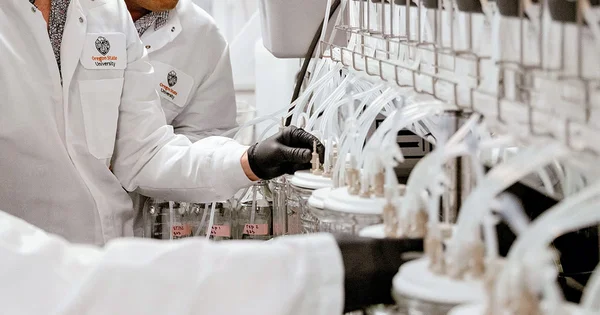
See how nutrition researchers use the Simulator of the Human Intestinal Microbial Ecosystem (SHIME) to understand how dietary fibers promote healthy gut bacteria and improve infant nutrition.

Megan McClelland, Katherine E. Smith Healthy Children and Families Professor in the School of Human Development and Family Sciences and Endowed Director of the Hallie E. Ford Center for Healthy Children & Families in the College of Health, will deliver two talks at an invitation-only workshop hosted by the Organization for Economic Cooperation and Development (OECD) in Paris on Oct. 15, 2025.

The College of Health at Oregon State University is accelerating research innovation with a strategic focus on interdisciplinary collaboration, AI applications, and translating discoveries into real-world health solutions that benefit communities most in need.
Recent publications
Recent health and well-being of children and youth publications
(This is not an exhaustive list. Visit individual faculty profiles for more extensive lists of their publications.)
2025
Projects, programs and laboratories
Health and well-being of children and youth projects, programs and laboratories.
(This is not an exhaustive list. Contact individual faculty for more information of their current and past research.)
 Research group
Poverty and Inequality Research Group
The Poverty and Inequality Group conducts research on the extent of poverty and economic hardship with a focus on how family policies support or hinder family functioning. We aim to build knowledge on how to reduce inequalities.
 Research laboratory
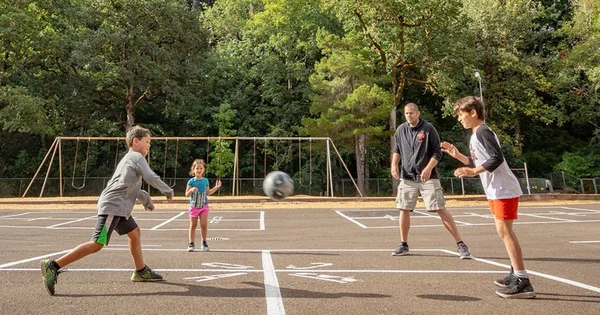
Psychosocial Physical Activity (2PLAY) Laboratory
Our research foci includes how to increase access to play, physical activity and sport in children and adolescents, and how to leverage play, physical activity and sport, to promote social-emotional development in children and adolescents.
 Research laboratory
SEARCH Research Laboratory
We are a research laboratory at Oregon State University committed to investigating the elements of responsive, engaging, and effective adult-child interactions. Within these types of interactions, we aim to identify ways in which to support positive behaviors, emotional expression, and stress and frustration coping for parents, teachers, and young children.
Director: Bridget Hatfield, PhD
 Research group
Sexual and Reproductive Health Equity Consortium
We generate, support and disseminate research that improves understanding of the diverse factors affecting sexual and reproductive health equity. Conducting rigorous research, we investigate the underlying causes of sexual and reproductive health disparities.
Co-Director: Jessica R. Gorman, PhD, MPH
Co-Director: Jonathan Garcia, PhD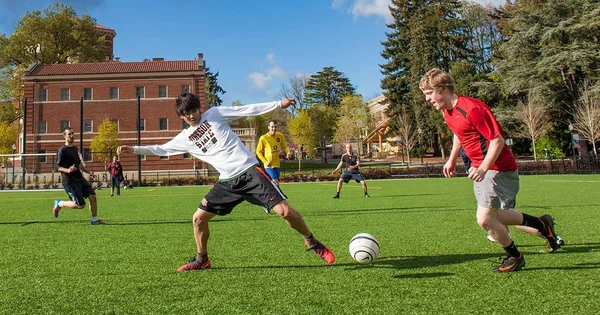 Research group
Sports Injury Prevention Research Group (SIPRG)
SIPRG's goal is to improve sports safety and wellness for individuals and populations. We use cutting-edge laboratory instrumentation to identify factors that can be targeted in athletes/patients to prevent injury and improve performance. We collaborate with high schools, the Pac-12 Conference and community-based sports medicine clinicians to study and address problems at a population level using a variety of approaches including injury surveillance, policy development and evaluation, and implementation science.
Director: Marc Norcross PhD, ATC
Co-Is: Cathy Brown Crowell, PhD, ATC, FNATA, Mark Hoffman, PhD, ATC, FNATA, FACSM, Sam Johnson, PhD, ATC, CSCS Research program
Thriving After Cancer Team
Our current research aims to fill the gap in supportive care for young cancer survivors, couples struggling with reproductive and sexual health concerns, and LGBTQ+ survivors and their partners/support networks. Our long-term goal is to identify and implement effective and scalable strategies to support cancer survivors and those who care for them across the cancer continuum.
Director: Jessica R. Gorman, PhD, MPH
Website: Thriving After Cancer Team