

Image

Advancing science, making discoveries and engaging communities to promote lifelong health and well-being
Through our research, we contribute to a holistic understanding of the health of individuals and populations, foster innovation and create feasible approaches to address complex health challenges.
Outstanding research faculty and students work collaboratively to study individuals across the life course, examine the impact of social determinants on health, address health equity and disparities, conduct basic and applied research, and translate public health programs to real world settings.
We offer seminars and colloquia to share new research and ignite collaborations, and support four college research centers to foster transdisciplinary research, engage students and translate research to practice.


Perry Hystad, PhD
Associate Dean for Research
Contact info and profile page
In the new strategic plan for 2025 -2030, Health and Well-Being for All, faculty in the College of Health (COH) established three Signature Research Areas. These areas leverage faculty expertise; align with the university’s strategic plan, Prosperity Widely Shared; and build opportunities for distinction.

Our researchers address environmental health disparities, climate change impacts, and pollution effects on communities, with a focus on developing evidence-informed solutions.

Our researchers are addressing major health challenges through prevention strategies, policy development, and interventions that improve quality of life across diverse populations.

Our researchers study how social policies, families, and communities impact child development and youth health outcomes, with focus on equity, disability access, and risk prevention.
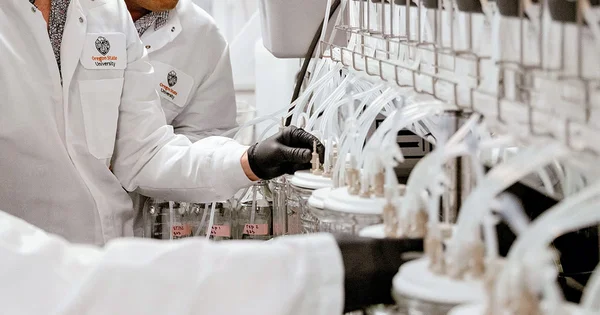
See how nutrition researchers use the Simulator of the Human Intestinal Microbial Ecosystem (SHIME) to understand how dietary fibers promote healthy gut bacteria and improve infant nutrition.
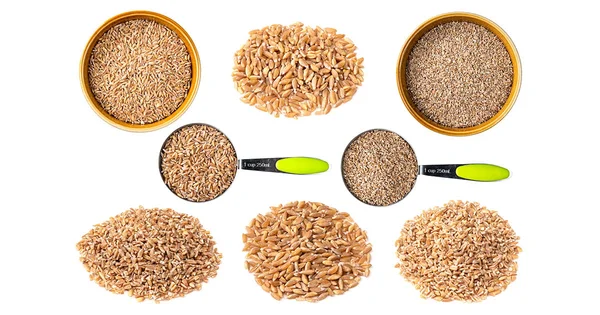
Anna Hayes combines carbohydrate chemistry and neuroscience to understand the gut-brain axis. Her research on ancient grains and dietary fiber reveals surprising connections between what we eat and how we think.

The College of Health at Oregon State University is accelerating research innovation with a strategic focus on interdisciplinary collaboration, AI applications, and translating discoveries into real-world health solutions that benefit communities most in need.

The study is the largest of its kind in the U.S. — and the world — to look at how air pollution may be connected to breast cancer. Using data from five large research studies, the team found that certain pollutants, such as nitrogen dioxide, were linked to a small increase in breast cancer overall.

$3.8M NIH study uses AI monitors to map pollen and mold exposure, helping predict COPD flare-ups and improve care for millions living with lung disease.

The study of 1,500+ adults ages 30-70 found that those in the upper 25% of social media usage frequency were more than twice as likely to experience loneliness.