

Image

Master helping others before and after injury
The athletic training curriculum at Oregon State prepares you to become a certified and licensed athletic trainer.
Once you successfully earn your degree in athletic training from our accredited program, you will be eligible to sit for the Board of Certification (BOC) examination. BOC certification (ATC) is the entry-level credential to work as an athletic trainer.
As an athletic trainer, you will collaborate with physicians and other health care professionals to provide preventive services, emergency care, clinical diagnosis, therapeutic intervention, and rehabilitation of injuries and medical conditions.
Learn more about the success of OSU athletic training students on the BOC examination and in job placement.
For five decades, Oregon State’s Athletic Training program has trained some of the country’s most competent, high-profile, caring AT professionals.
Bureau of Labor Statistics estimates a 13% increase in job growth for athletic trainers from 2023-2033 – much faster than the average growth rate for all occupations
Athletic trainers work in a variety of settings, including:
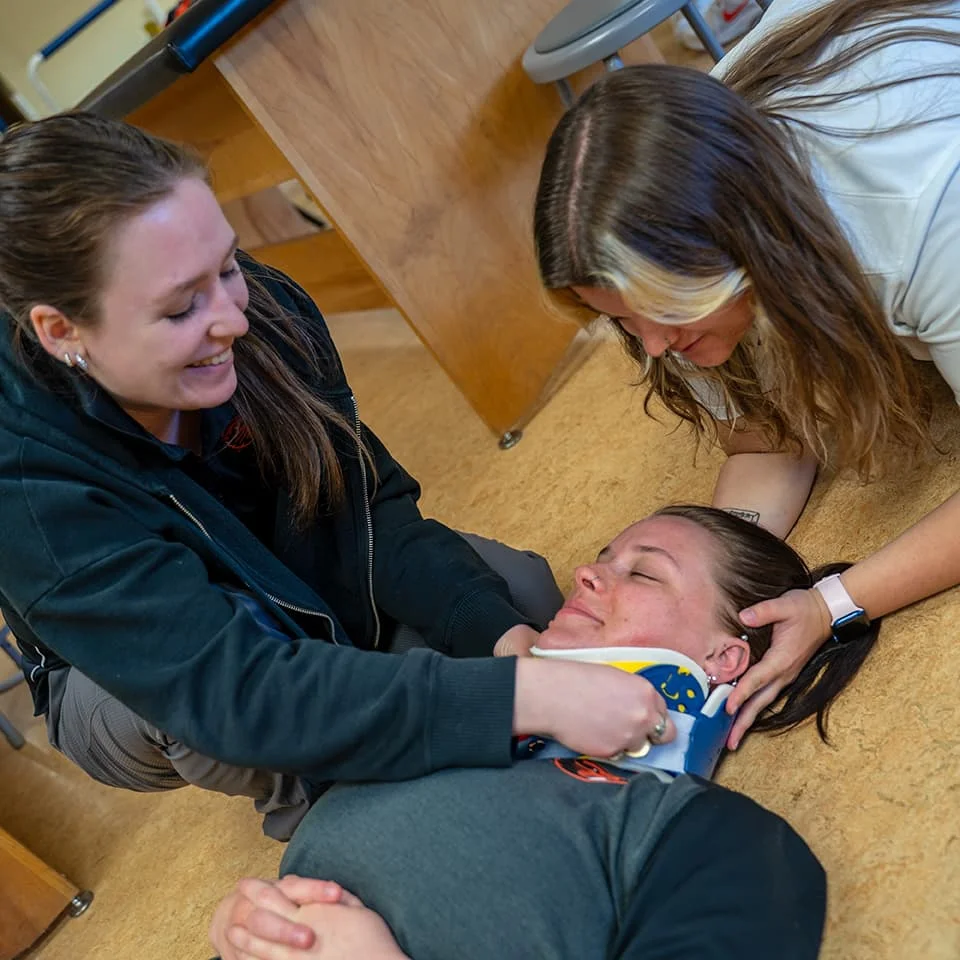
The athletic training degree at Oregon State University is a CAATE accredited master’s level degree.

Justin Sportsmedicine Team and Northwest Rodeo Sports Medicine
Athletic training student gained hands-on experience providing emergency and injury care at rodeos across the Pacific Northwest, working alongside multidisciplinary healthcare teams and supporting athlete safety in high-impact environments.

Shriners Hospitals for Children – Portland
Yu-Ting Tzeng, an athletic training student, reflects on hands-on internship experience with pediatric patients at diverse clinical sites and the guidance of OSU faculty.

Western Oregon University Football
Lisa Hall, an athletic training student, gains hands-on experience providing injury assessment and rehabilitation support for Western Oregon University football athletes while pursuing her master's degree in athletic training at Oregon State.
Our program has maintained over 50 years of continuous accreditation. Hundreds of students have graduated from the program. We continue to evolve as the athletic training profession grows.
In the classroom and the clinic, you will be exposed to different perspectives on how to provide care to patients. You will learn how our preceptors embrace holistic care for their athletes and patients. You will learn how faculty have embraced a public health model that prioritizes population level health.
We are dedicated to helping students succeed and reach their goals. Being part of the program will help you see athletic training through a new lens and will experience a wide variety of opportunities to make a broad impact.

Kim Hannigan, PhD, ATC
Clinical Associate Professor
“Athletic trainers have the unique opportunity to work with patients and athletes on an almost daily basis. They not only treat injuries, but many times can prevent them from occurring in the first place.”
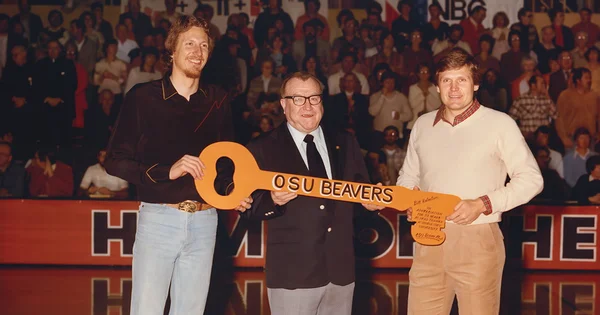
For 35 years, William "Ropes" Robertson was Oregon State's beloved athletic trainer and storyteller, mentoring generations of Beaver athletes with humor, wisdom and an unforgettable presence.
Athletic training student gained hands-on experience providing emergency and injury care at rodeos across the Pacific Northwest, working alongside multidisciplinary healthcare teams and supporting athlete safety in high-impact environments.
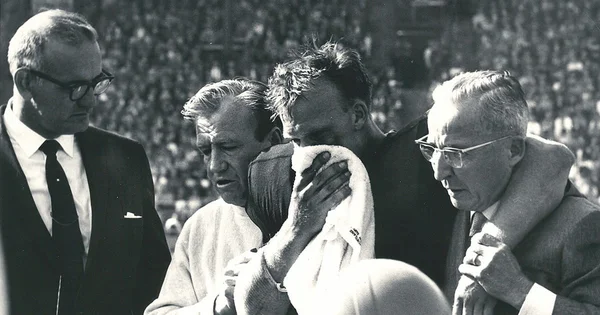
William "Ropes" Robertson (1915-1980) was OSU's first athletic trainer and co-creator of the athletic training education program now in the College of Health. A WWII veteran with a Bronze Star and Purple Heart, he spent 34 years caring for Beaver athletes and became a legendary figure in OSU athletics history.
Yu-Ting Tzeng, an athletic training student, reflects on hands-on internship experience with pediatric patients at diverse clinical sites and the guidance of OSU faculty.

Katie Walsh Flanagan, MS, EdD, LAT, ATC, Oregon State University alumna and 1980 Physical Education graduate, has been inducted into the National Athletic Trainers' Association (NATA) Hall of Fame. Her 43-year career in athletic training began with a chance injury during her time at OSU, leading her from pre-veterinary studies to becoming a leader in the athletic training profession.

Implementing injury prevention programs in high school soccer significantly reduces ACL injuries and associated healthcare expenses.
View the OSU athletic training program's mission, goals and graduate learning outcomes.

From 1972 to 2017 OSU had an accredited undergraduate athletic training program. In the summer of 2016, the first cohort of students started in the new professional master’s program in athletic training.
The new master’s program was granted accreditation by the Commission on Accreditation of Athletic Training Education (CAATE) in the summer of 2017 and in the summer of 2022 received 10 years of continuing accreditation through 2031-2032.
Our program is one of the first 15 programs to be accredited and is one of the12 longest continually accredited programs.