
What is kinesiology?
What is kinesiology?
Kinesiology is the scientific study of human movement. It explores how muscles, bones and the nervous system work together to produce movement and how physical activity affects health, performance and quality of life.
What do you learn in kinesiology?
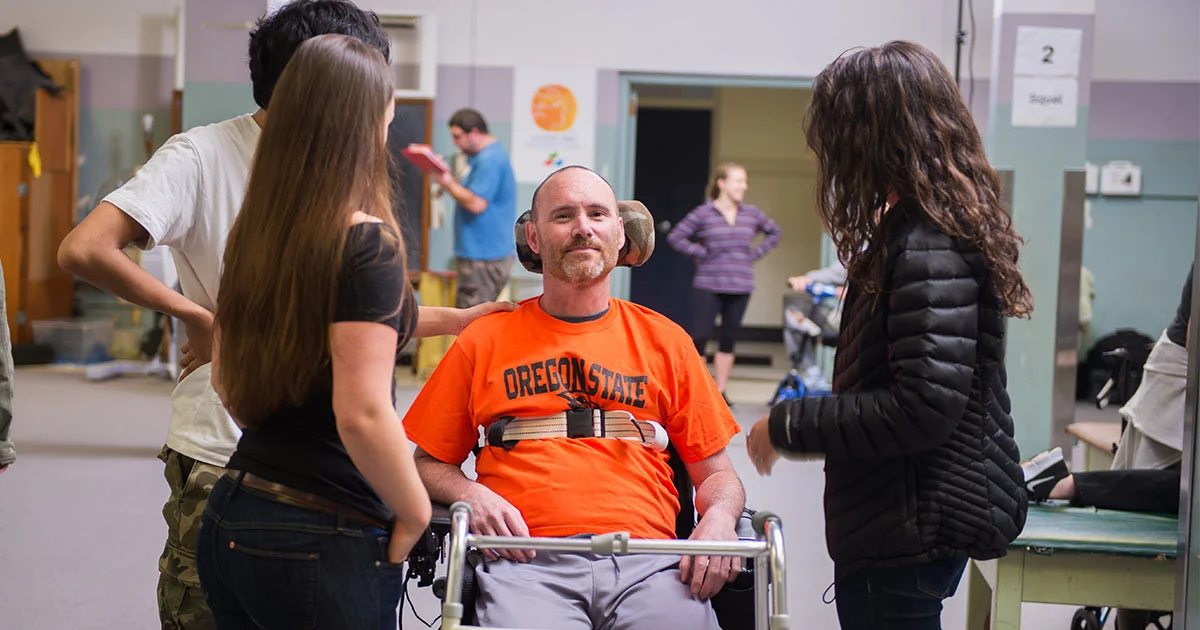
As a kinesiology major, you study how the body moves and how movement influences health and performance.
Coursework often includes:
- Exercise physiology
- Biomechanics
- Motor control and motor learning
- Strength and conditioning
- Sports psychology
- Injury prevention
- Health and well-being promotion
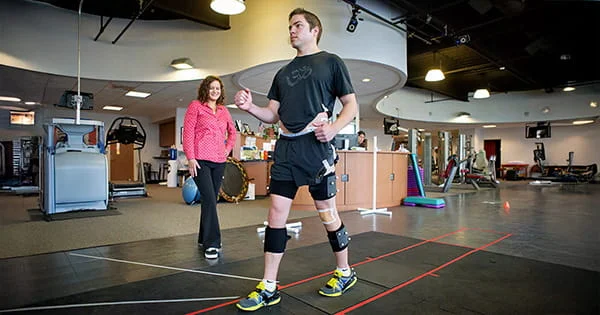
Many programs also include laboratory experiences, research opportunities and internships.
Is kinesiology a good major for me?
Kinesiology may be a strong fit if you:
- Are interested in how the human body works
- Enjoy science and hands-on learning
- Want to pursue a personal training, healthcare or rehabilitation career
- Are considering graduate school in athletic training, physical therapy or medicine
Since a kinesiology bachelor’s degree combines biology, movement science and applied health, it can serve as a strong foundation for many healthcare pathways.
What can you do with a kinesiology degree?
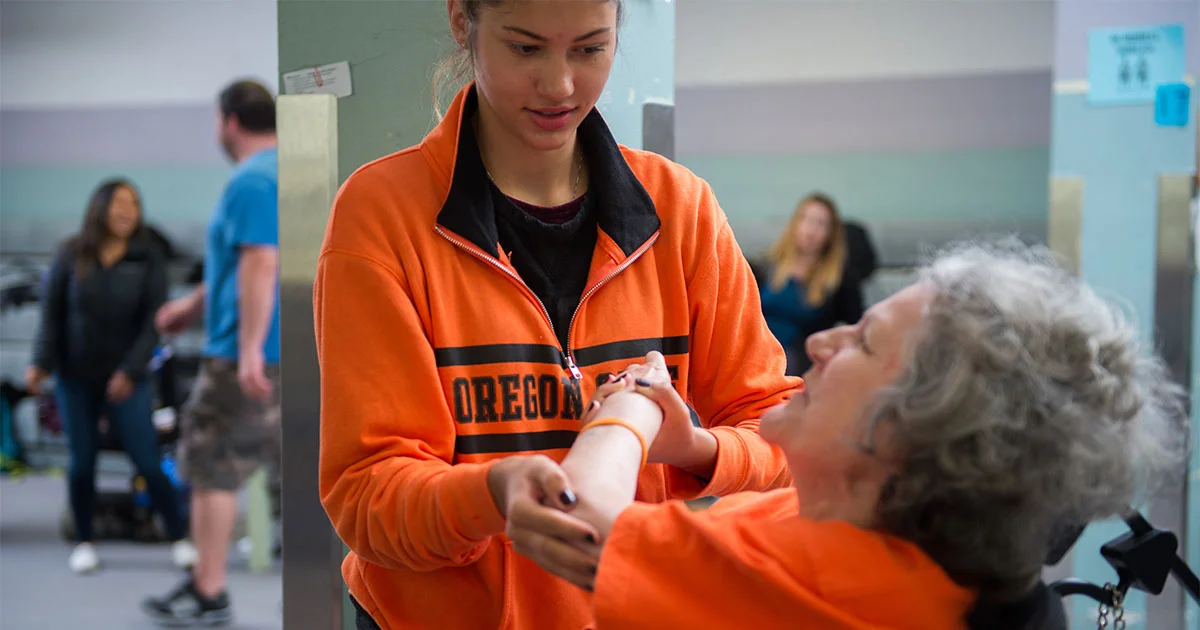
A kinesiology degree prepares you to support health, movement and performance in a range of settings.
Some graduates go on to work in fitness, coaching, athletic training or well-being programming.
Others use kinesiology as a foundation for graduate study — physical therapy, occupational therapy and athletic training are common paths.
Because kinesiology is rooted in biology and human physiology, it's also strong preparation for medical school.
For detailed job titles and career pathways, explore the kinesiology careers page.
Why study kinesiology at Oregon State?
Oregon is an ideal place to study kinesiology. The state is known for outdoor recreation, active living and strong healthcare and sports communities — exactly the kinds of places kinesiology graduates work.
At Oregon State, you'll learn from faculty who are connected to those communities and build real experience along the way.

Kinesiology undergrad program
Explore the kinesiology undergraduate program.
Kinesiology careers
Explore careers in kinesiology.

Kinesiology courses
View kinesiology courses.
Frequently asked questions about kinesiology
Is kinesiology a science or STEM major?
Yes, to both. Kinesiology draws from biology, physics, anatomy and psychology to understand how the body moves and how physical activity affects health. Because it's grounded in those disciplines, it's considered a STEM field.
What does kinesiology have to do with physical education and coaching?
In physical education, kinesiology is the science behind how and why people move. PE teachers and coaches use kinesiology principles to design activities, improve technique and support students' physical development. If you're interested in teaching or coaching, kinesiology gives you the foundation to do that well.
What do you learn in a kinesiology degree?
You'll learn how the body moves, how exercise affects health and how to support people in staying active and recovering from injury. It's a mix of science and real-world application, from understanding anatomy to designing fitness programs to preparing for graduate study in healthcare. For a closer look at topics, visit the kinesiology undergraduate program.
What jobs can you get with a kinesiology degree?
Kinesiology opens doors in fitness and personal training, sports performance, rehabilitation, community health and more. Some graduates go on to graduate school in physical therapy, occupational therapy or medicine. For specific job titles and career pathways, visit the kinesiology careers page.
Do you need graduate school for kinesiology careers?
It depends on the path. Some careers, such as physical therapy or occupational therapy, require graduate study. Kinesiology is strong preparation for both, covering the anatomy, physiology and movement science those programs expect. Other roles in fitness, coaching and wellness are available with a bachelor's degree. Talk to a career advisor to explore what's right for you.