

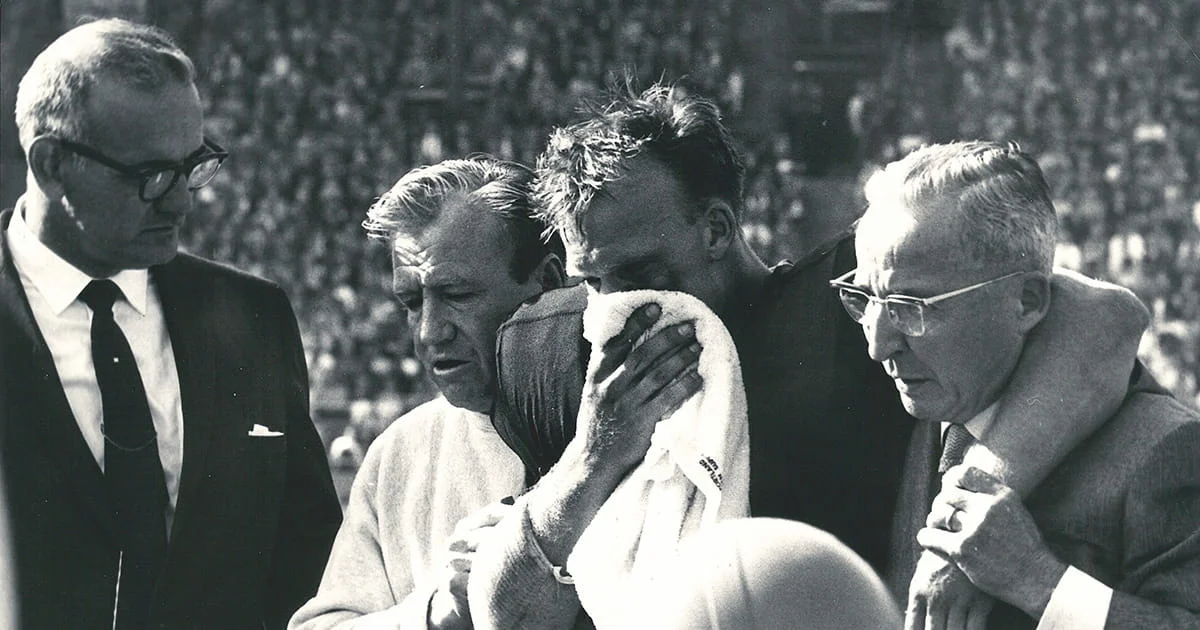
Ropes and Tommy Prothro, far left, OSU head football coach from 1955-1964. Prothro was also head coach for LA Rams and San Diego Chargers and inducted into College Football Hall of Fame in 1991.
“Ropes:” OSU’s legendary athletic trainer
William "Ropes" Robertson (1915-1980) was OSU's first athletic trainer and co-creator of the athletic training education program now in the College of Health. A WWII veteran with a Bronze Star and Purple Heart, he spent 34 years caring for Beaver athletes and became a legendary figure in OSU athletics history.
If you’re a longtime follower of beaver athletics, there’s a good chance you’ve heard of someone called “Ropes.” You may even have seen his photo hanging in Gill Coliseum.
But just who is this Ropes, who has achieved an almost mythical status at OSU? How did he get that name? And what does he have to do with the College of Health?
William (Bill) “Ropes” Barr Robertson, 1915-1980, dedicated his 34-year career to athletic training at Oregon State. In addition to serving as OSU’s first athletic trainer, he was instrumental in creating the athletic training education program now housed in the COH. OSU graduate, BS ’80, and the newest inductee in the National Athletic Trainers’ Association Hall of Fame, Katie Walsh Flanagan, MS, EdD, LAT, ATC, remembers Ropes as being larger than life.
“He was a big, but very quiet man. When he spoke, people listened. He had a tremendous sense of humor. He was also so very kind and championed behind the scenes. He taught by example, and nothing – I mean nothing – bothered him on the field or court. I learned to trust my training, that the patient athlete is to be protected, and that our job is to find a safe way for athletes to participate in sport.”
From Nanaimo, British Columbia, Canada, Bill became an American citizen at an early age, and after graduating from Benson Tech High in Portland in 1934, he worked at the Multnomah Athletic Club under former Beaver Jimmy Richardson. He then went to work for the Portland Buckaroo hockey team, under owner Bobby Rowe, from 1936-37.
Jimmy and Bobby saw something in their protege that young Bill had yet to discover – that he would make an excellent athletic trainer.
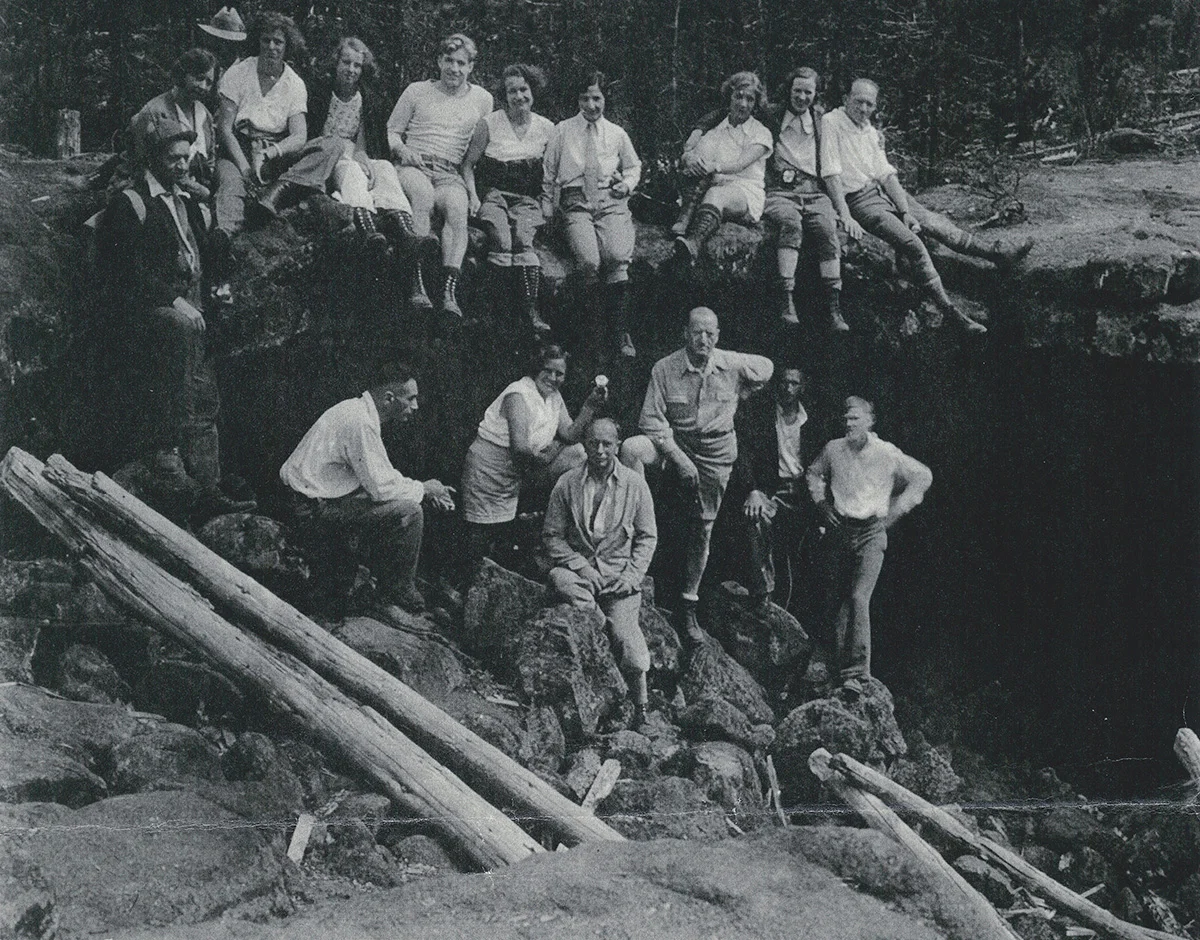
In the photo with two rows of climbers, Ropes is sixth from the left.
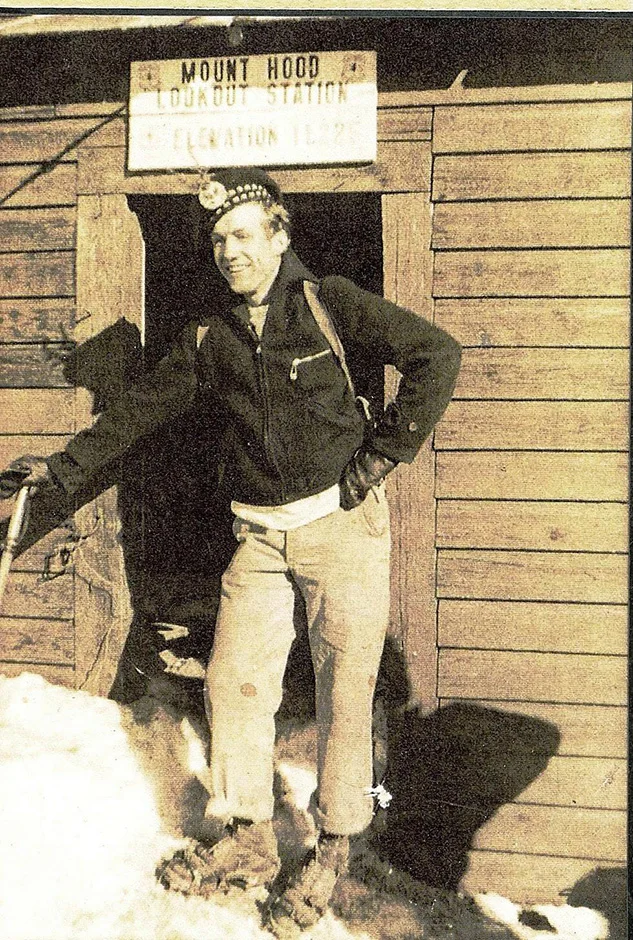
Bill, however, loved the outdoors and came to OSU as a forestry major and student assistant in 1937. He soon became known for his performances on KOAC Radio’s “Foresters in Action.”
His talent for performing would eventually become as renowned as his care. After he became OSU’s first and only athletic trainer, he was affectionately called “the poet laureate of the training room,” and it’s said that his rendition of “Casey at the bat” is the stuff of legends.
His other poetic renditions made him a popular speaker with groups along the Pacific Coast. In fact, it’s rumored that while on the road with the Beavers, he visited a nightclub holding a talent contest. An assistant coach entered him, and his rendition of “Casey” took first place and $100.
Robert Kersey, PhD, BS ’81, the first OSU graduate to be inducted into the NATA Hall of Fame and a long-time faculty member at CSU Fullerton, met Ropes in 1975 as a freshman athletic training student and remembers his rendition on multiple occasions, especially people’s smiles as Ropes “painted a picture with his words.”
He also remembers Ropes’s quiet, light-hearted humor, gentle way, and contagious kindness and empathy. “I was extremely fortunate to learn from a man with such a heart for others.”
“Ropes” is born
Before he began his long career at OSU, Ropes answered the call to duty, for which he was later honored with a Bronze Star and Purple Heart. From 1942-45, he joined the U.S. Armed Forces, was placed in officer’s training school and admitted to Army Medical Surgical and Physical Therapy training. He served from 1942-43 in the Aleutians and became a combat medical aide.
Bill served the U.S. 10th Mountain Division, 87th Mountain Infantry, as a Staff Sgt., medical detachment from 1944-45 on a mission to Mount Belvedere, Italy. He was also a ski trooper, where rope-sole shoes were used for mountain climbing. While in Italy, he was given the moniker “Rope-Sole,” which was abbreviated to “Ropes” shortly after he joined OSU in 1946.
The nickname is credited to Bill’s war-buddy Gene Winters.
According to Ropes’s wife, Mary, Gene strolled into Ropes’s office and said, “How are ya doing, Ropes?” She said the athletes in the room loved the name, and it was what Ropes went by until his death.
That fateful day happened during his 34th year as head athletic trainer, after he had blazed a trail in athletic training and served for many years as one of the few professional trainers in collegiate sports.
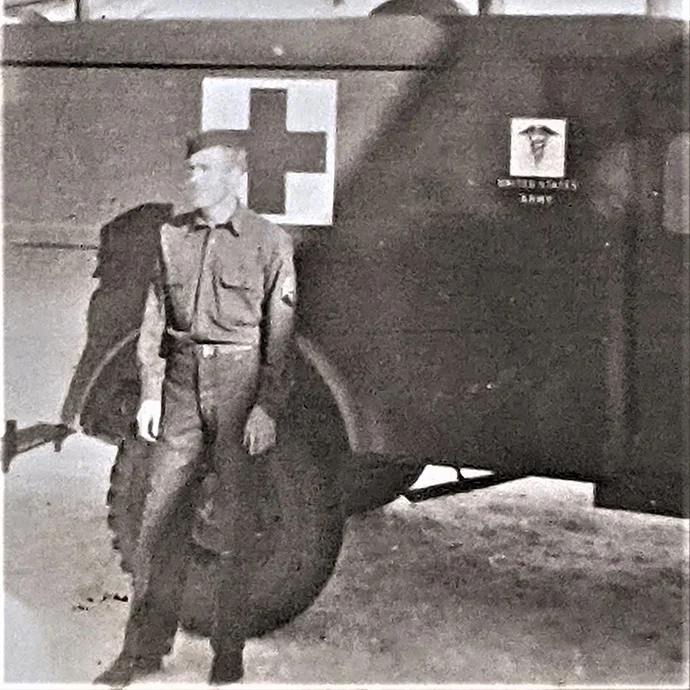
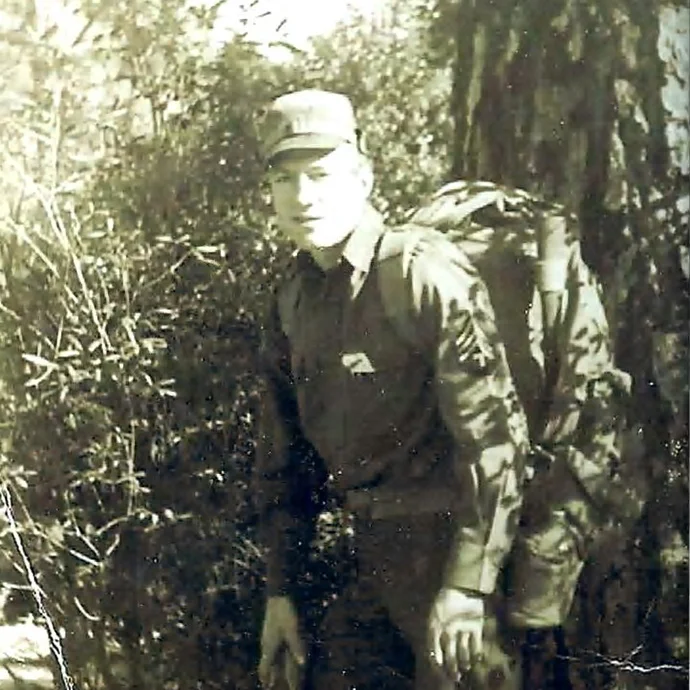
Ropes in the U.S. Army, where he served from 1941-1945.
One of Ropes’s former students, Barbara Ochs, BA,’82, knew him most of her life as a family friend and remembers him fondly. She says his nickname aptly fit his personality.
“He was tough, strong, unassuming, and yet critical,” she says. “There are many athletes and trainers who owe him a great deal. His quiet, sure, comforting presence meant many students were able to continue as athletes when they might not have if he hadn’t been there.
“He had the best hands of anyone I ever saw work on a sore neck or tape an ankle. He treated everyone with respect and, in turn, received that from everyone he worked with. He and Mary were warm and welcoming in their crowded, comfortable little house just down the street from my sorority, and it was nice to just relax and listen to their stories.”
Ropes went back to Europe, and also Asia, in the ’60s to serve as the athletic trainer for the U.S. Track and Field Team that participated in the Olympic Games in Tokyo in 1964, and he went on the Oregon Universities Rugby Tour of England and Wales not long after. In 1967, he toured Southeast Asia with the Special Services branch of the Army to instruct soldiers in athletic training and preventive medicine. He also served as trainer for the state high school Shrine game in Portland for 18 years.
In 1968, he was inducted into the “Helms Foundation Hall of Fame” for athletic trainers, which is now the National Athletic Trainers’ Association (NATA) Hall of Fame. He also continued mountain climbing, scaling Mt. Hood 25 times visiting his beloved Mt. Rainier whenever he could.
In 1972, he and Dick Irvin created OSU’s academic athletic training program, now in the College of Health. This program was among the first 15 in the country to be approved by NATA, and Dick served as its inaugural director.
In February 1980, the 10th Mountain Division Association’s national president wrote to congratulate Ropes on his accomplishments, 35 years after he served.
“I have learned that in your position you have worn many hats. You have been trainer, medic, consolatory, father and friend. You build confidence. Hundreds have been the benefactors of your genuine concern. You have indeed been an inspiration. You not only have brought honor to yourself but to the entire 10th Mountain Division Association. We are proud of your accomplishments, and we salute you.”
Ten months later, in November 1980, Ropes had an “apparent heart attack” and died doing what he loved most – caring for athletes.
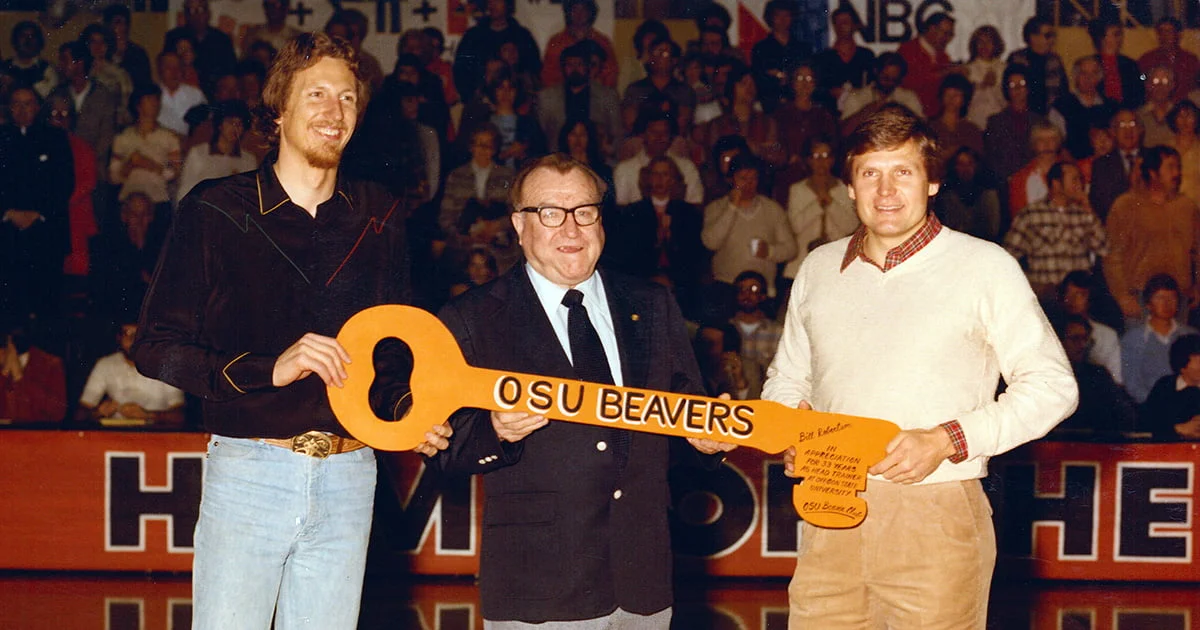
Remembering an OSU icon
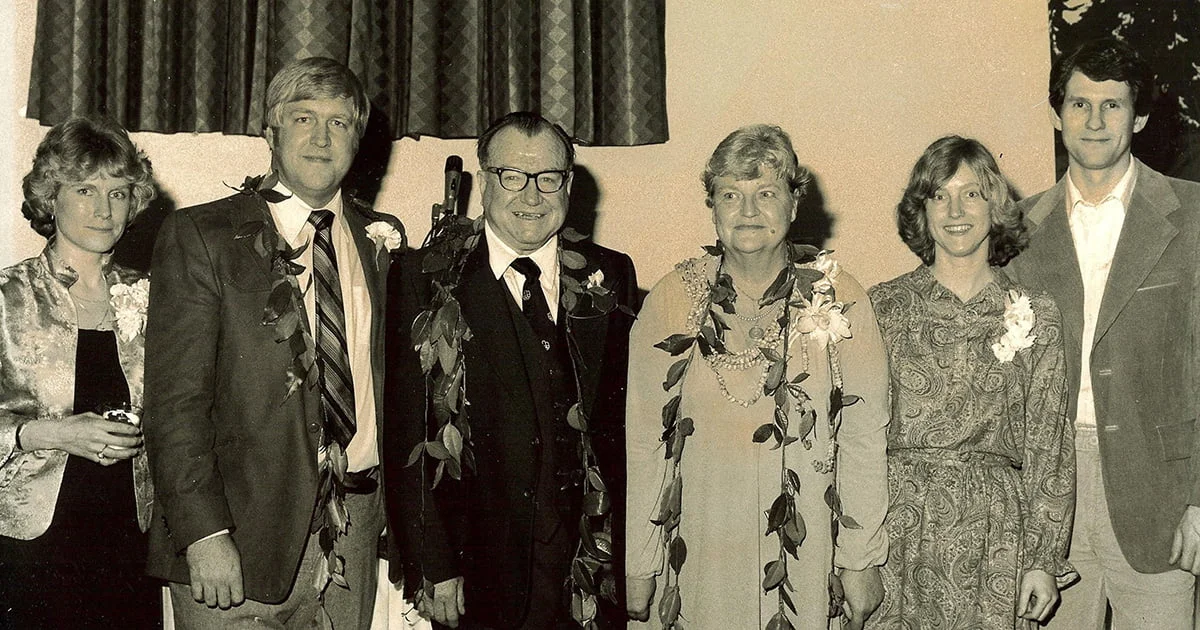
Ropes’s memorial service was held at Gill Coliseum, and 400 people, including OSU alum Dick Fosbury, ’72, came from as far away as Hawaii to honor “one of Oregon State’s great human beings.”
Former Beaver and pro footballer Steve Preece, ’68, was master of ceremonies and was joined by other sports greats and alumni such as Jimmy and Herman Clark, both who played several years in the NFL. The governor declared the day “Bill Robertson Day.”
Mary, with whom Ropes shared three children, recalled his ability to connect sports and scholastics, as well as his sense of humor.
“He was a merry old Irishman, and he loved to stand up and recite poetry. He could reel off anything from serious drama to bawdy comedy.”
“He was an institution … he would do just about anything to help an athlete,” said former football-basketball star Terry Baker.
“He was just a guy you always thought of when you thought of Oregon State. He’d give you his opinion on what should or shouldn’t be done, and he’d give you a good boot in the pants if you needed that, too,” said former basketball standout Mel Counts.
Former University of Oregon head football coach Rich Brooks, who also attended his memorial, said, “He touched my life as he touched the lives of so many young men over the years. It’s a great loss to all who knew him.”
“We have lost one of the great Beavers of all time,” said former OSU Athletic Director Dee Andros. “He was right at the top of my list of nice guys. He loved the kids, and that is what made him so good at his job.”
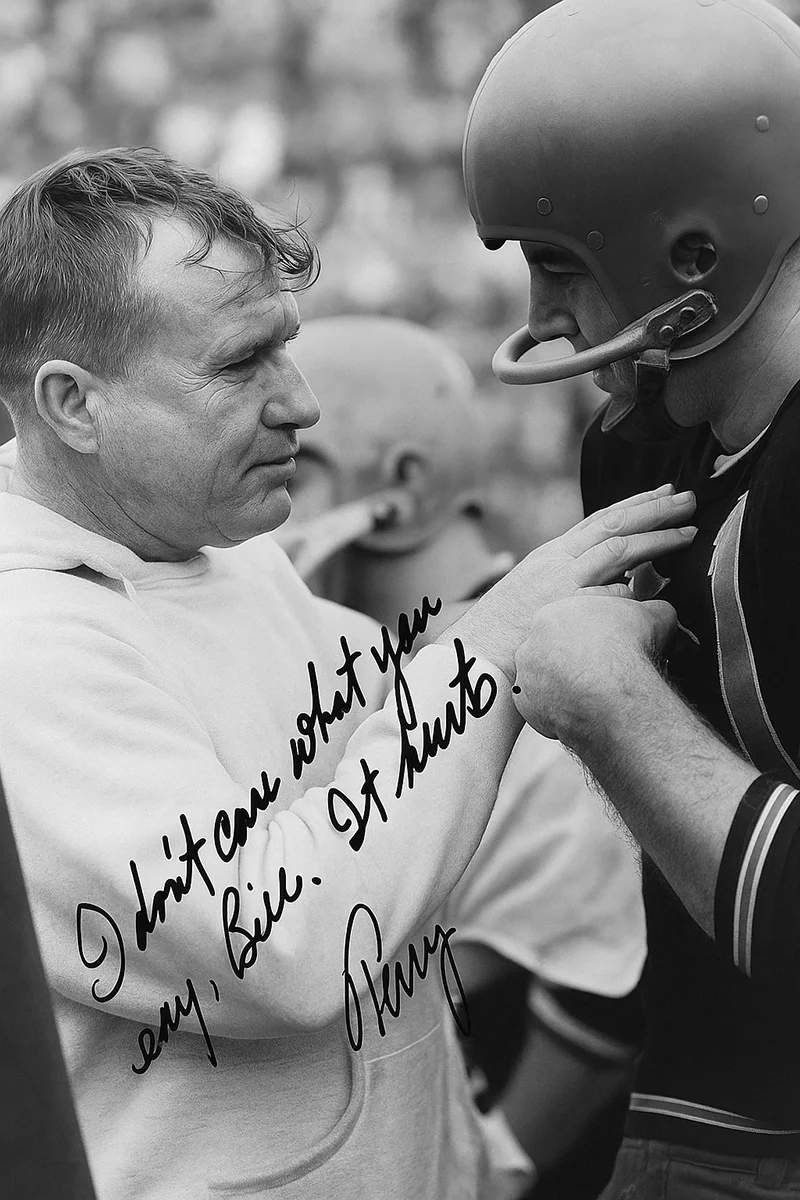
OSU football Hall-of-Famer Bobby Grim encapsulated the outsized role that athletic trainers hold in the lives of athletes in their care. Bobby said Ropes should have more titles than simply “trainer.” He would add physical therapist, psychoanalyst and most importantly, friend.
Ropes’s son, Bill Robertson, described growing up in a home that was never locked, and where a variety of people would drop by at any time.
“I can’t tell you what an incredible life it was,” he said. “There was so much love and so much warmth.
“Rope-Sole, what a trainer. Rope-Sole, what a friend. Rope-Sole, what a father. Rope-Sole, what a hell of a man.”
Related stories
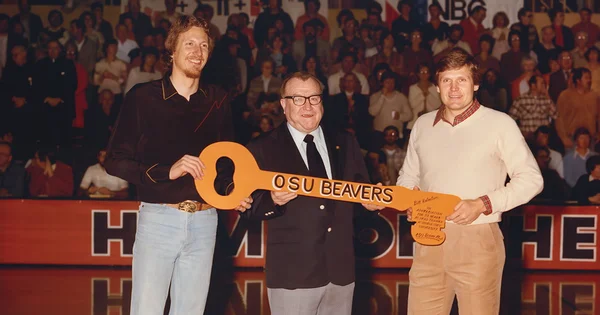
For 35 years, William "Ropes" Robertson was Oregon State's beloved athletic trainer and storyteller, mentoring generations of Beaver athletes with humor, wisdom and an unforgettable presence.
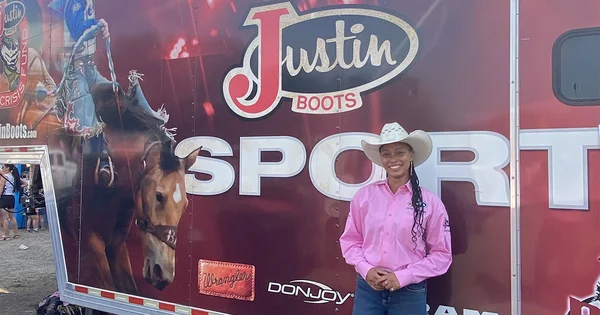
Athletic training student gained hands-on experience providing emergency and injury care at rodeos across the Pacific Northwest, working alongside multidisciplinary healthcare teams and supporting athlete safety in high-impact environments.
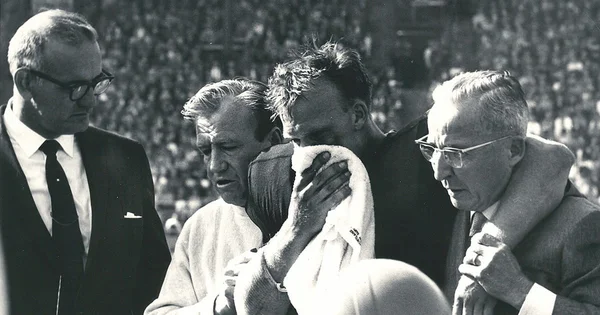
William "Ropes" Robertson (1915-1980) was OSU's first athletic trainer and co-creator of the athletic training education program now in the College of Health. A WWII veteran with a Bronze Star and Purple Heart, he spent 34 years caring for Beaver athletes and became a legendary figure in OSU athletics history.